
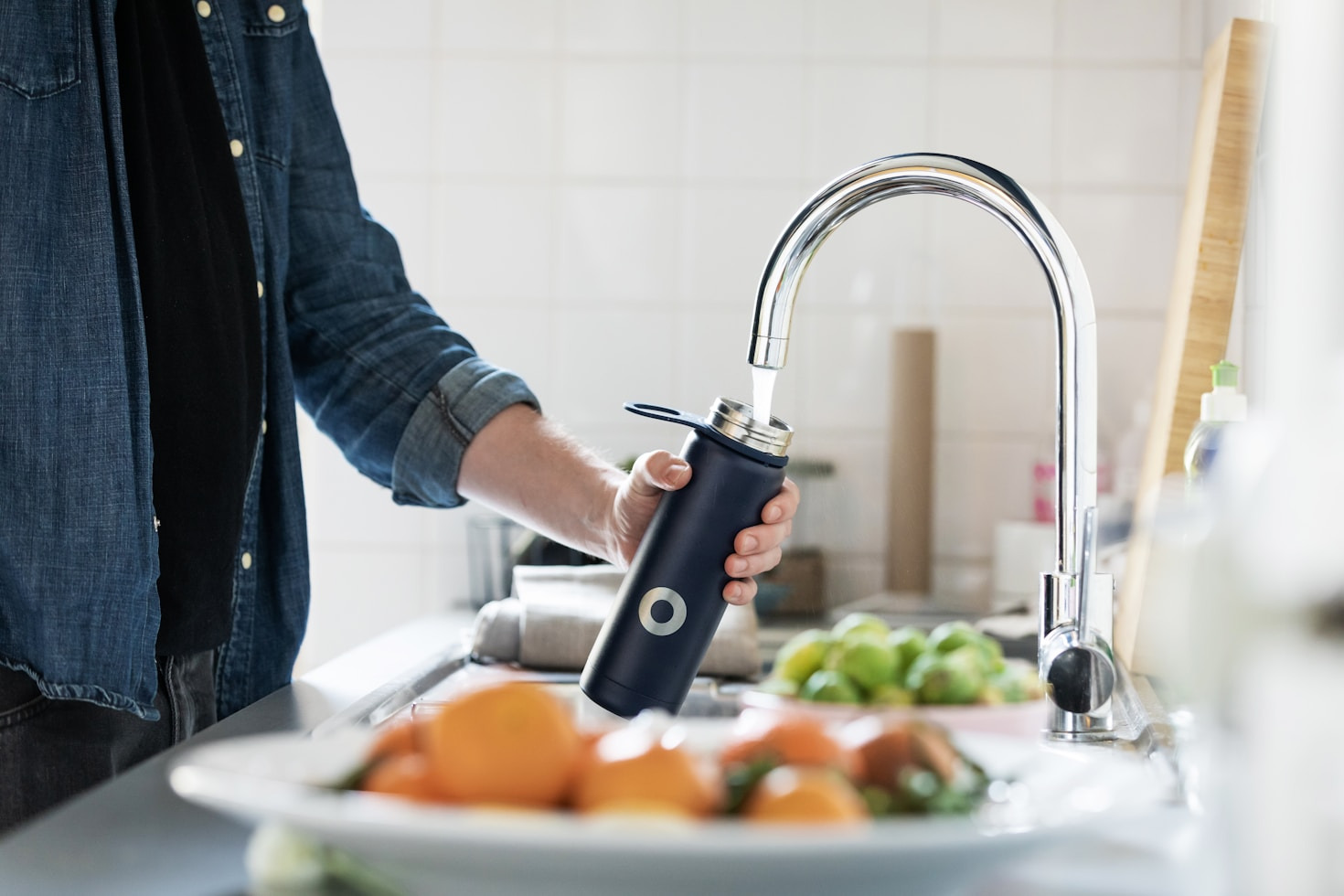
Improving water quality in your household starts with understanding that not every water problem looks the same. Some issues are obvious, like bad taste, chlorine smell, visible sediment, or staining around sinks and tubs. Others are easier to miss, including older plumbing concerns, water hardness, or contaminants that do not change the look of the water at all. The good news is that most households can take practical steps to improve water quality without turning it into a massive project. In many cases, the process starts with observation, a little testing, and a smarter approach to how water is filtered, stored, and used throughout the home.
Better water quality usually comes from better information first. The more clearly you understand the problem, the easier it is to choose the right fix.
A good first step is to pay attention to what your water is already telling you. Does it smell like chlorine when you shower? Does it leave white mineral spots on dishes and fixtures? Do you notice rust-colored stains, cloudy water, or sediment collecting in faucet screens? Even small signs like dry skin after bathing or water that tastes flat or metallic can point to underlying issues worth checking. These symptoms do not automatically mean your water is unsafe, but they can help narrow down whether the problem is cosmetic, plumbing-related, or something that calls for closer testing.
Testing is often the turning point between guessing and actually improving household water quality. For homes on municipal water, the annual water quality report from the utility is a useful starting point, but it does not always tell the full story inside the home. Water can pick up issues from aging pipes, fixtures, and local conditions after it leaves the treatment plant. For private well owners, testing matters even more because the homeowner is responsible for knowing what is in the water. A basic test can help identify hardness, pH, sediment, iron, chlorine, or bacteria concerns, while more detailed lab tests can reveal lead, PFAS, nitrates, and other contaminants that are harder to spot.
Once you know the likely problem, the right solution becomes much easier to choose. For some homes, the biggest improvement comes from a simple sediment filter that protects fixtures and reduces visible particles. In other homes, the issue is chlorine, taste, and odor, which points more toward carbon-based filtration. Hard water usually calls for a different strategy entirely, since scale buildup and mineral spots are not the same as chemical contamination. If drinking water is the main concern, point-of-use options like under-sink systems or countertop filtration can make more sense than trying to solve everything at the whole-house level. Water quality improves fastest when the treatment matches the actual issue instead of the marketing on the box.
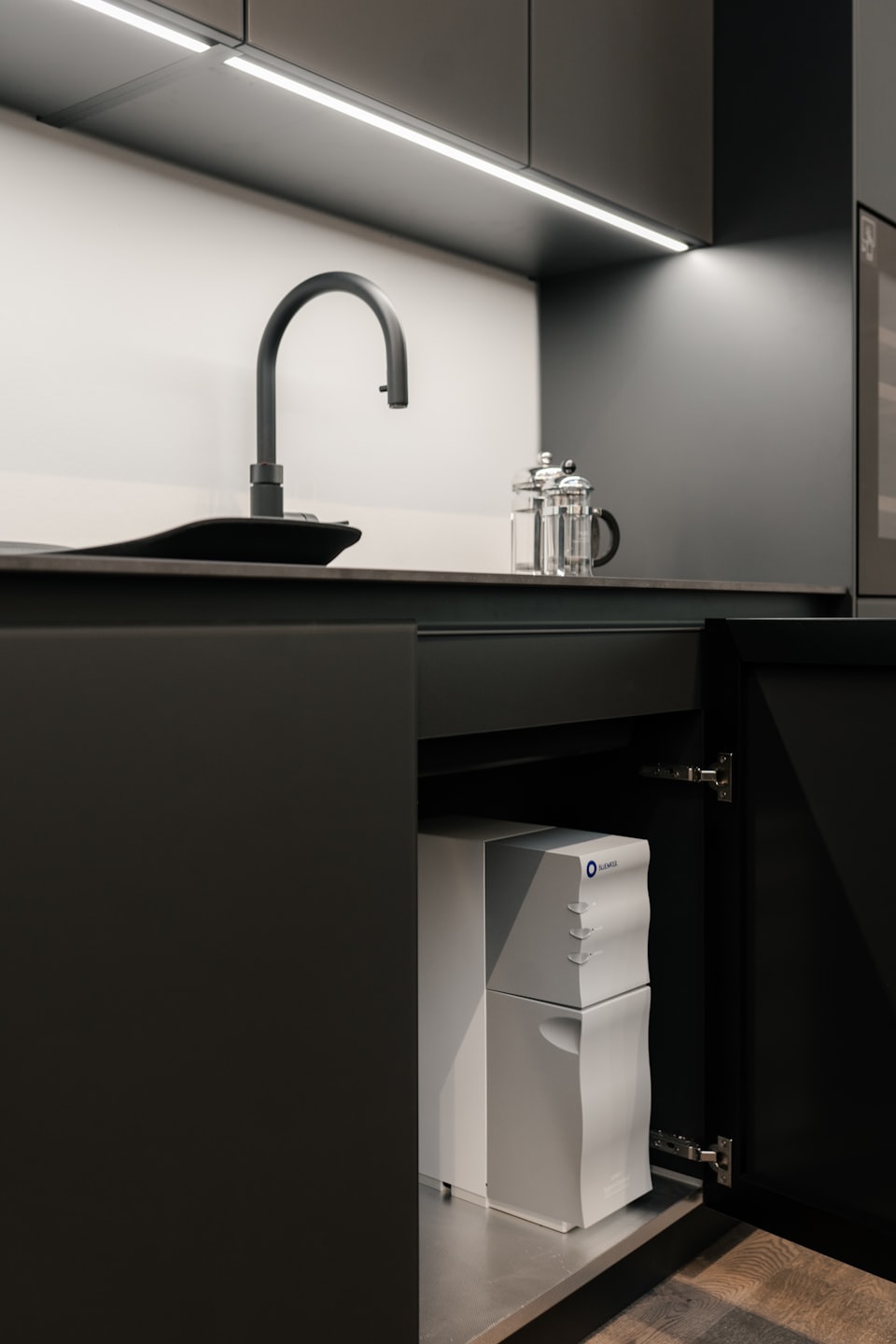
Maintenance plays a bigger role than many people expect. Even a good filtration system will not improve water quality for long if filters are left unchanged, housings are neglected, or plumbing issues are ignored. Faucet aerators, refrigerator lines, shower heads, and older supply lines can all collect buildup over time. Water heaters can also affect water quality, especially when sediment accumulates in the tank or when hot water starts carrying odor that is not as noticeable from the cold side. Sometimes a basic flush, a filter replacement, or a small plumbing repair does more to improve water quality than buying another product ever could.
It also helps to separate whole-house concerns from drinking water concerns. A family may want cleaner water for bathing, laundry, and plumbing protection, but that does not always mean they need the same level of filtration at every tap that they want at the kitchen sink. Shower water, appliance protection, and drinking water quality can overlap, but they are not always solved the same way. Thinking in layers usually leads to better decisions. A whole-house system may help with chlorine, sediment, or general odor, while a smaller dedicated drinking water filter handles contaminants that matter more at the tap you actually drink from.
Daily habits matter too. Running the tap briefly after long periods of non-use, storing filtered drinking water properly, replacing pitcher filters on time, and paying attention to changes in taste or smell can all help maintain better water quality over time. For households with older plumbing, being aware of stagnant water is especially important. A home’s water quality is not only shaped by the source. It is also shaped by what happens inside the house, including how often the water moves through the pipes and how well the household stays on top of routine upkeep.
For families trying to prioritize where to start, it usually makes sense to begin with the clearest pain point. If the water smells strongly like chlorine, focus there first. If scale is ruining fixtures and appliances, start with hardness. If you rely on a well, testing should come before any purchase decision. If the main goal is better drinking water, a point-of-use system may deliver the biggest improvement the fastest. Water quality can feel overwhelming when every possible issue is discussed at once, but most households do not need to solve everything in a single weekend. They just need a clearer picture of which problem matters most right now.
In the long run, improving water quality is really about reducing friction in everyday life. Better water tastes better, smells cleaner, feels better on skin, helps appliances last longer, and makes the home feel more cared for overall. It can also make people more aware of how water moves through the household and where waste or maintenance issues have been ignored. The strongest improvements usually come from a combination of testing, targeted treatment, and simple follow-through rather than one dramatic purchase.
Wrapping Up with Key Insights
To improve water quality in your household, start by identifying the real issue instead of guessing. Look for clues in taste, odor, staining, sediment, or plumbing performance, then use testing to confirm what is actually going on. From there, choose the kind of treatment that fits the problem, keep up with maintenance, and focus first on the areas that matter most to your home. Better water quality does not always require a complicated setup. It usually starts with one smart, well-matched step and builds from there.
Leave a Reply