
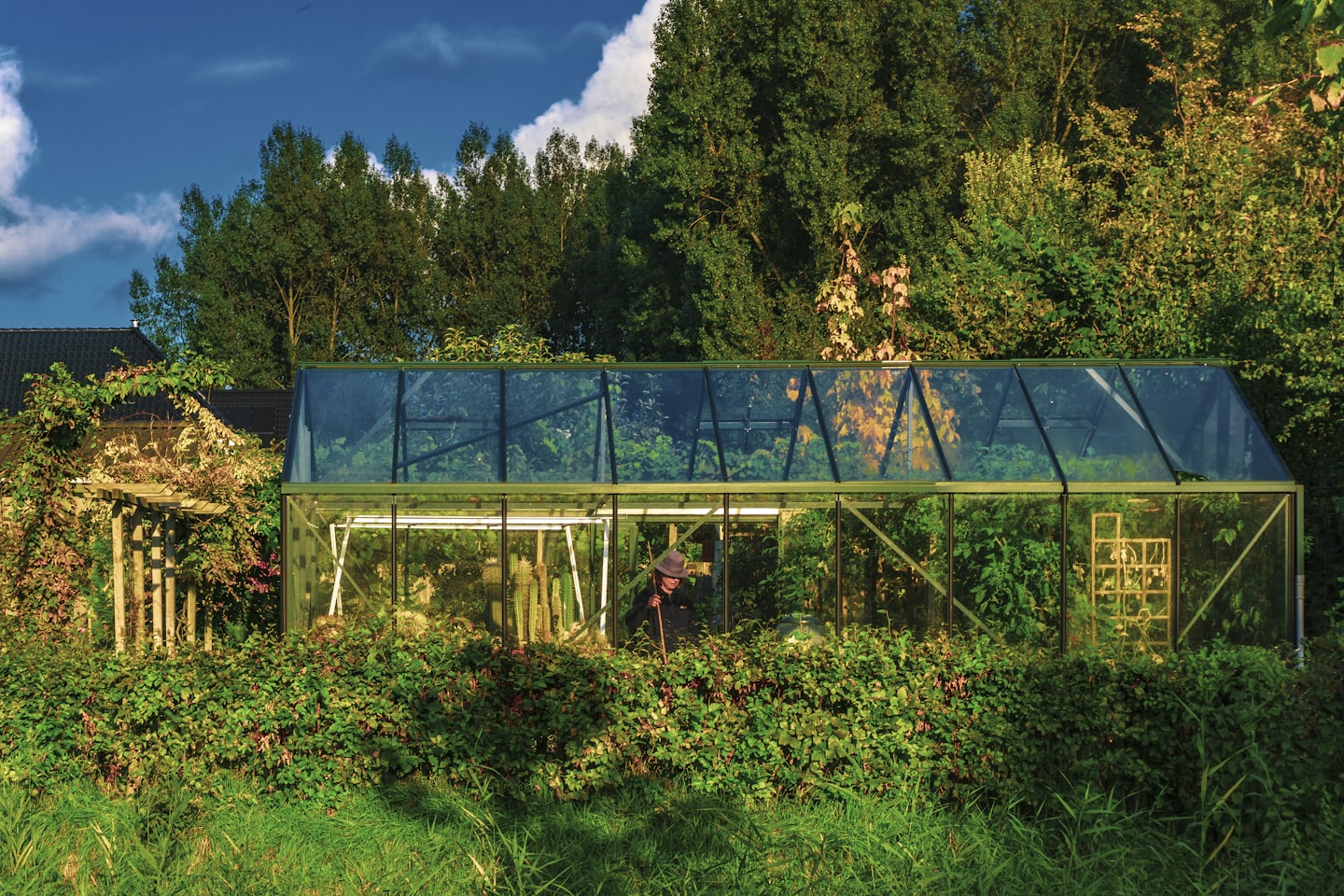
Creating a sustainable gardening space at home is one of the easiest ways to make your outdoor area more useful, more beautiful, and less wasteful at the same time. A sustainable garden is not about chasing perfection or building an expensive showpiece. It is about working with your climate, using water more wisely, improving soil naturally, and choosing plants that make sense for your space. Whether you have a large backyard, a small patio, or a few raised beds, a more thoughtful garden setup can save money, reduce waste, and create a healthier environment right outside your door.
A sustainable garden does not have to be complicated. Small choices, repeated over time, are what turn an ordinary space into something resilient, productive, and genuinely rewarding.
The best place to start is with the basics: soil, water, and plant choice. Healthy soil does more than support roots. It holds moisture better, reduces runoff, and helps plants stay stronger through heat and dry spells. Compost, mulch, and organic matter can all improve poor soil without relying on heavy chemical inputs. Water matters just as much. A sustainable garden usually works best when watering is deeper and less frequent, especially if you can direct water right to the base of the plant instead of spraying everything at once. Choosing plants suited to your region also makes a major difference. Native species, herbs, pollinator-friendly flowers, and hardy vegetables often require less maintenance and fewer resources than plants that constantly struggle in the wrong conditions.
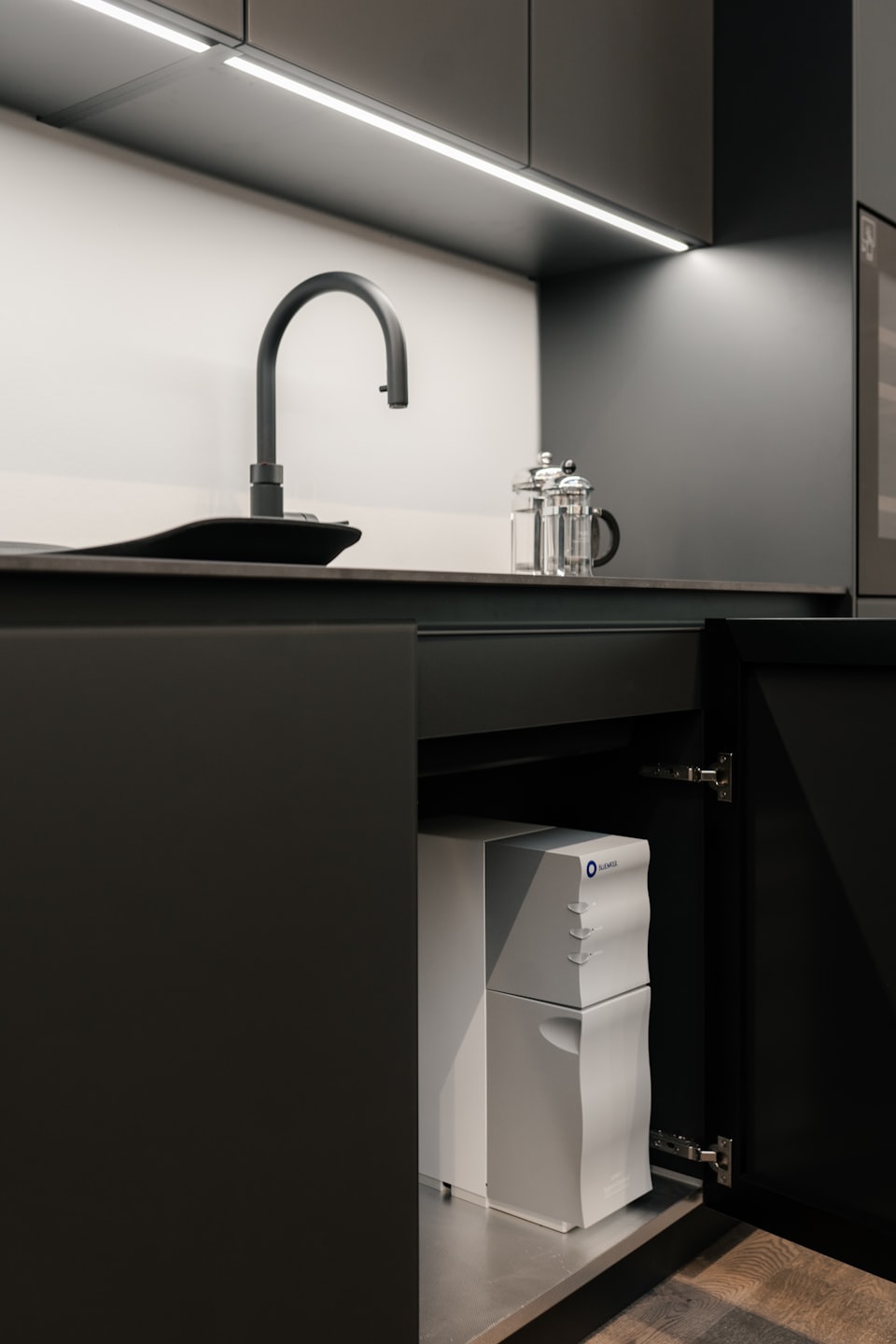
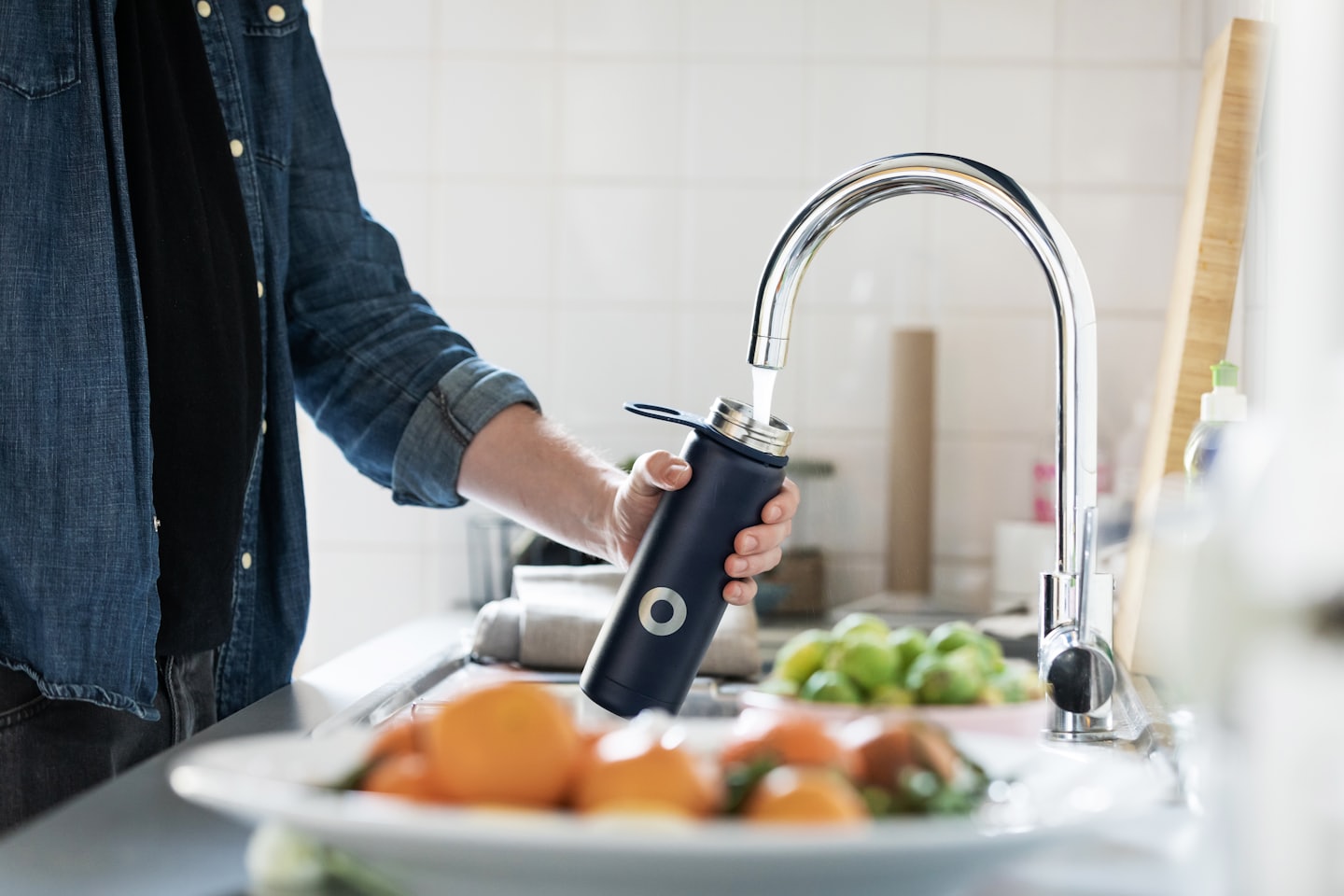
As your garden takes shape, sustainability becomes less about a single feature and more about how everything works together. Mulch helps hold moisture in the soil and keeps weeds from taking over. Compost turns kitchen scraps and yard waste into something useful. Rain barrels, drip irrigation, and grouped plantings can make watering more efficient. Even small changes, like replacing disposable seedling trays with reusable containers or choosing untreated wood for raised beds, can reduce waste over time. The goal is not to create a perfectly self-sustaining system overnight. It is to build a garden that feels easier to manage, better suited to your home, and less dependent on constant inputs. That usually leads to a space that looks better and performs better season after season.
Wrapping Up with Key Insights
A sustainable gardening space at home starts with practical decisions, not grand gestures. Focus on healthier soil, smarter watering, region-appropriate plants, and simple habits that reduce waste. Those choices add up quickly. Over time, they create a garden that is easier to maintain, more resilient in changing weather, and more enjoyable to spend time in. If you are just getting started, begin with one or two improvements and build from there. Sustainable gardening works best when it feels realistic enough to keep going.
Leave a Reply