
Green living does not have to start with a huge lifestyle overhaul. In fact, the most effective habits are usually the ones simple enough to begin today and realistic enough to keep doing next week. Small changes in how you shop, eat, clean, and use energy at home can reduce waste, lower monthly costs, and make daily life feel a little more intentional. That is what makes green living practical. It is not about doing everything perfectly. It is about building a handful of better habits that add up over time.
Sustainable living usually begins with ordinary routines. Once a better habit becomes normal, it stops feeling like effort and starts becoming part of who you are.
If you have been wanting to live a little more sustainably but do not know where to begin, start with what happens inside your home every day. The habits below are not extreme, expensive, or all-or-nothing. They are simple shifts that can help you waste less, use fewer resources, and make smarter choices without turning your life upside down.
1. Carry a reusable water bottle
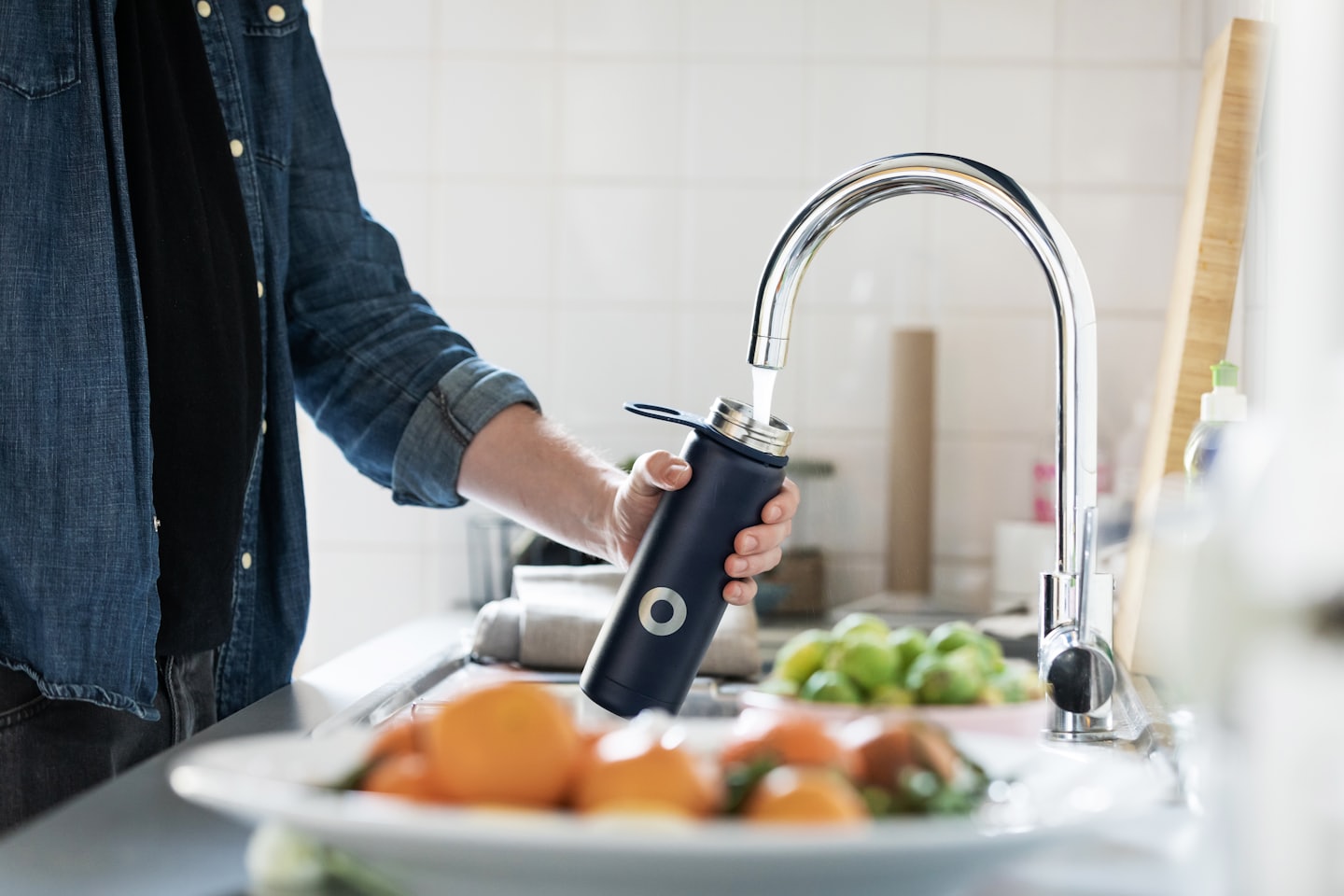
This is one of the easiest habits to stick with because the payoff is immediate. A reusable bottle cuts down on disposable plastic, saves money over time, and makes it easier to avoid last-minute bottled water purchases. Keep one in your car, bag, or workspace so it becomes automatic.
2. Use reusable shopping bags
Reusable bags are one of the most basic green living swaps, but they still matter. The key is making them easy to remember. Keep a few in the trunk, by the front door, or folded inside a purse or backpack so you are not constantly relying on single-use bags out of convenience.
3. Turn off lights you are not using
It sounds obvious, but it is still one of the simplest ways to reduce wasted electricity. The same goes for fans, televisions, and small electronics left running when no one is using them. A house full of minor energy leaks can quietly add up over time.
4. Wash clothes in cold water more often
Heating water takes energy, and many everyday loads of laundry do just fine on a cold setting. This small change can help lower energy use while still keeping clothes clean, especially for lightly worn items and routine washes.
5. Cut back on food waste
Food waste is one of the easiest places to improve because a little planning goes a long way. Shop with a rough meal plan, keep track of what is already in the fridge, and try a “use first” shelf for anything that needs to be eaten soon. Small changes here save both food and money.
6. Unplug electronics you rarely use
Many electronics still draw a little power when they are plugged in but not actively being used. Chargers, small appliances, and entertainment devices can all contribute to this “phantom” energy drain. A smart power strip or a quick unplugging habit can help cut some of that waste.
7. Choose fewer disposable products
This does not have to happen all at once. Start with one or two easy swaps: cloth towels instead of paper towels for some tasks, reusable food containers instead of bags, or refillable soap dispensers instead of constantly buying single-use plastic bottles. The best swaps are the ones that fit your real routine.
8. Take shorter showers and fix leaks quickly
Water waste can be surprisingly easy to overlook because it is built into so many daily habits. A shorter shower, a faucet fixed sooner instead of later, or a dishwasher run only when full can all reduce water use without changing comfort very much.
9. Buy less, but buy better
One of the strongest green living habits has nothing to do with recycling and everything to do with slowing down purchases. Before buying something, ask whether it solves a real need, whether it will last, and whether a secondhand option could do the same job. Fewer low-quality purchases usually means less waste later.
10. Start with one habit you can keep
This may be the most important tip of all. People often give up on greener living because they try to change too much at once. Pick one habit that feels manageable and make it automatic first. Once it sticks, add another. Sustainable living works better when it grows from momentum rather than pressure.
What makes these habits useful is that they connect to real life. They are not built around guilt or impossible standards. They are built around waste you can reduce, money you can save, and systems you can make a little more efficient. That is why simple green living habits tend to last longer than dramatic challenges or short-lived “zero waste” attempts that do not fit normal routines. When a habit is practical, it has a better chance of becoming permanent.
It also helps to remember that green living is not just about what leaves your house in the trash. It is also about what enters your home in the first place. Every product you decide not to buy, every disposable item you replace with something reusable, and every bit of energy or water you use more carefully reduces waste upstream as well. That larger effect is easy to miss because it is not always visible in the moment, but it matters.
Over time, these habits tend to reinforce each other. Someone who starts carrying a reusable bottle may become more aware of other single-use items. A family that starts meal planning may end up wasting less food and spending less overall. A person who switches to cold-water laundry may start thinking more carefully about the rest of their home energy use. This is how sustainable routines grow. One practical change makes the next one feel more normal.
Wrapping Up with Key Insights
You do not need a perfect system to start living a little greener today. A reusable bottle, less food waste, smarter energy use, fewer disposable products, and more intentional shopping can all make a real difference when repeated consistently. The goal is not to transform your entire life overnight. It is to adopt simple green living habits that feel realistic enough to keep. Start with one, let it become normal, and build from there. That is usually how lasting change actually happens.
Leave a Reply