

Reducing your carbon footprint at home does not always require a major renovation or a long list of expensive upgrades. In many cases, the biggest wins come from smaller energy-saving habits that add up over time. From adjusting how you heat and cool your home to using appliances more efficiently, simple changes can lower monthly utility bills while also cutting unnecessary energy waste. If you want a more sustainable lifestyle without making it feel complicated, starting with everyday energy use is one of the smartest places to begin.
The most effective changes are often the ones you can stick with. A lower-impact home is usually built through steady habits, not dramatic overhauls.
One of the easiest ways to save energy is to focus on the systems and routines you use every day. Heating and cooling usually account for a large share of household energy use, so even small adjustments can make a real difference. Lowering the thermostat a few degrees in winter, using fans to support air circulation in summer, sealing drafty windows, and replacing old filters can all help your home run more efficiently. Lighting also matters. Swapping older bulbs for LEDs, turning off unnecessary lights, and using natural daylight whenever possible are easy ways to cut energy use without sacrificing comfort. In the kitchen and laundry room, full loads, cold-water washing, and unplugging rarely used devices can also reduce wasted electricity.
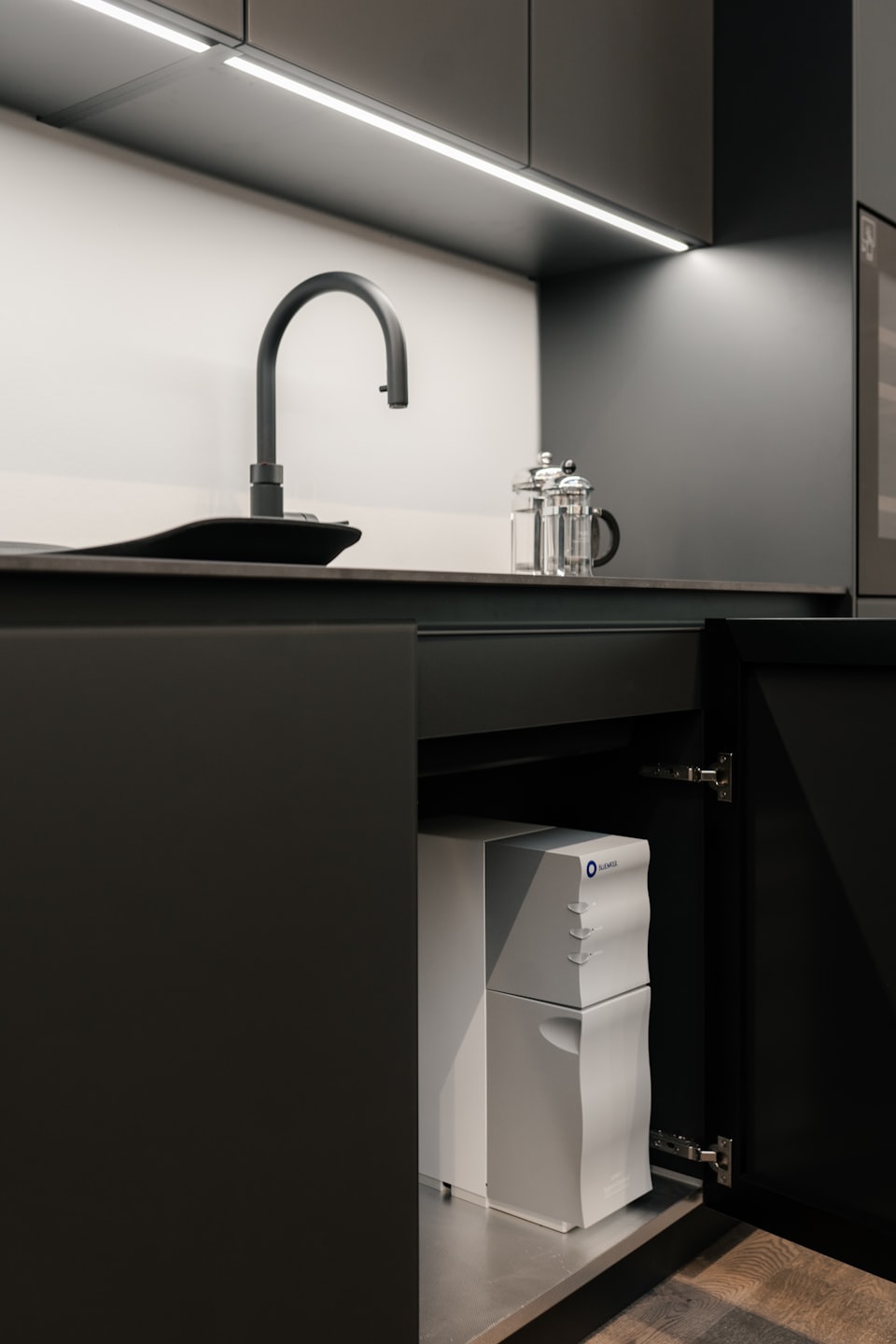

Beyond the obvious fixes, it helps to think about how energy use connects to the bigger picture of home efficiency. Smart power strips can reduce phantom energy drain from electronics left on standby. Better insulation can keep conditioned air where it belongs. Choosing Energy Star-rated appliances when it is time to replace older models can improve performance without increasing usage. Even lowering water heater temperature slightly or shortening shower time can save both energy and water. The goal is not to do everything at once. It is to identify the habits and upgrades that make the most sense for your home, your budget, and the way you actually live. That makes energy savings much easier to maintain over the long term.
Wrapping Up with Key Insights
Energy-saving tips work best when they feel practical enough to become routine. Start with the low-effort changes that reduce waste right away, then build toward bigger efficiency improvements as time and budget allow. Lower energy use can mean lower bills, a more comfortable home, and a smaller carbon footprint without making daily life harder. In the long run, the most sustainable home is usually the one that runs more thoughtfully, not the one with the most complicated setup.
Leave a Reply