
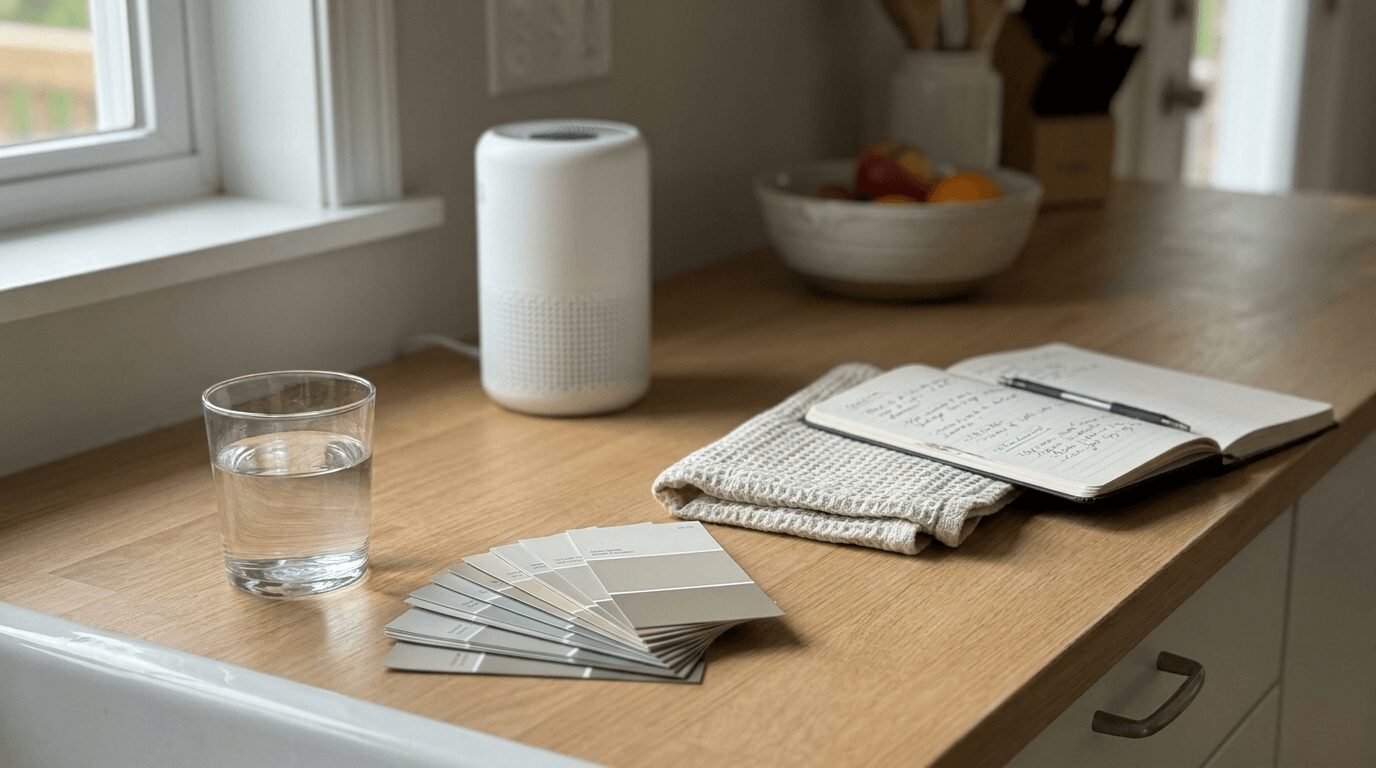
Creating a healthier home usually starts with good intentions. You swap out harsh cleaners, improve indoor air quality, choose safer materials, upgrade water filtration, or make your home more energy efficient.
But many healthy-home upgrades come with costs that are easy to miss at first. The sticker price is only one part of the decision. Installation, replacement parts, maintenance, utility changes, and long-term upkeep can all affect whether an upgrade is actually worth it.
That does not mean these projects are a bad idea. It just means homeowners should plan for the full cost before jumping in.
1. Water Filtration Costs More Than the System Price
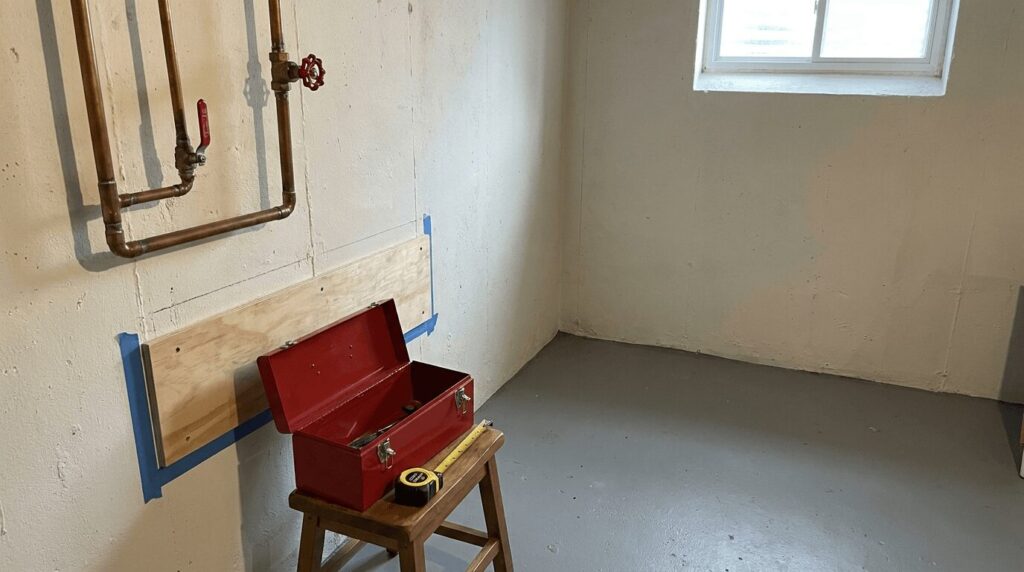
Cleaner water is one of the most common healthy-home goals. A filter can improve taste, reduce odors, and help address certain contaminants depending on the system type. But water filtration is also one of the easiest areas to underestimate.
Water upgrades are another area where the sticker price can be misleading. A filter system may look affordable at first, but installation, replacement cartridges, sediment prefilters, media changes, and plumbing adjustments all affect the real whole house water filter cost over time.
For example, a smaller cartridge-based setup may cost less up front, but replacement filters can add up over several years. A larger tank-style system may cost more initially, but it may require less frequent upkeep. The right choice depends on the water problem, household demand, installation space, and how much maintenance the homeowner wants to handle.
2. Indoor Air Quality Upgrades Need Ongoing Maintenance
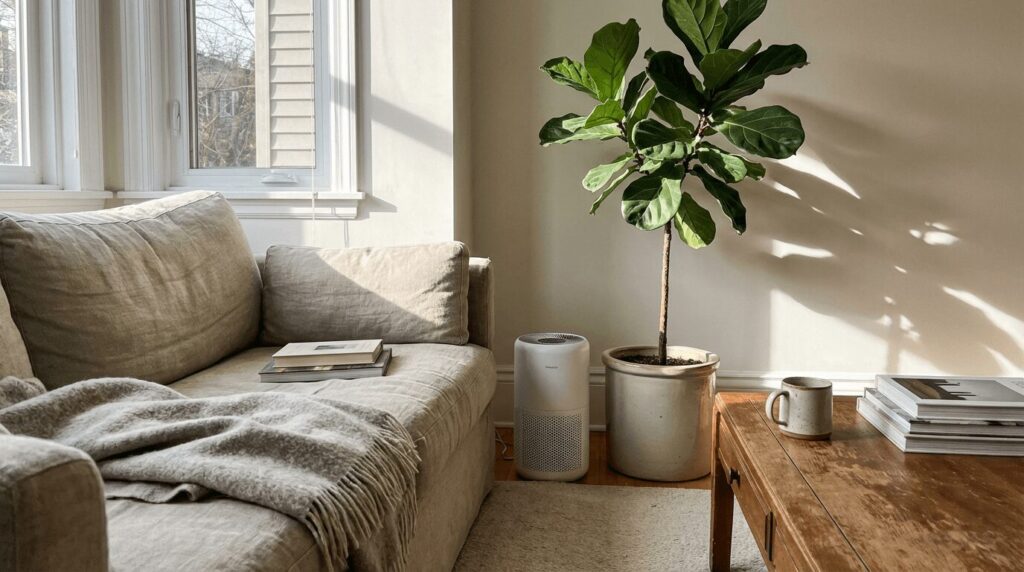
Air quality is another area where the first purchase is not the end of the expense. Air purifiers, HVAC filters, dehumidifiers, ventilation upgrades, and duct improvements can all help make a home feel cleaner and more comfortable.
The hidden cost is upkeep. Filters need to be replaced. Dehumidifiers use electricity and may need cleaning. HVAC systems need regular service. If maintenance gets skipped, the upgrade may stop working as intended or even create new problems.
Before buying anything, check the replacement schedule and cost. A low-priced air purifier with expensive filters may cost more over time than a higher-quality unit with longer-lasting parts.
3. Low-VOC Materials Can Cost More Up Front
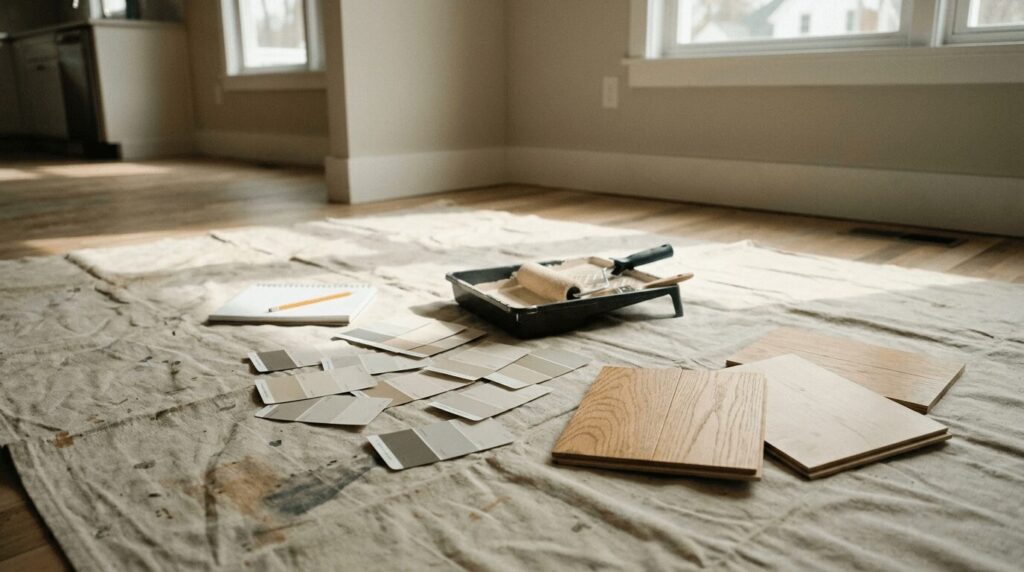
Paint, flooring, cabinets, sealants, furniture, and insulation can all affect the air inside a home. Choosing low-VOC or no-VOC materials can be a smart move, especially during renovations or when updating bedrooms, nurseries, or frequently used living spaces.
The tradeoff is that healthier materials can cost more up front. Low-VOC paints, solid wood furniture, formaldehyde-free cabinets, and natural flooring materials may carry a premium compared with standard options.
That said, not every healthy material upgrade has to be expensive. Sometimes the better move is choosing carefully where it matters most. Bedrooms, kitchens, bathrooms, and rooms with poor ventilation are usually better places to prioritize safer materials than storage areas or rarely used rooms.
4. Energy-Efficient Upgrades Can Have Payback Delays
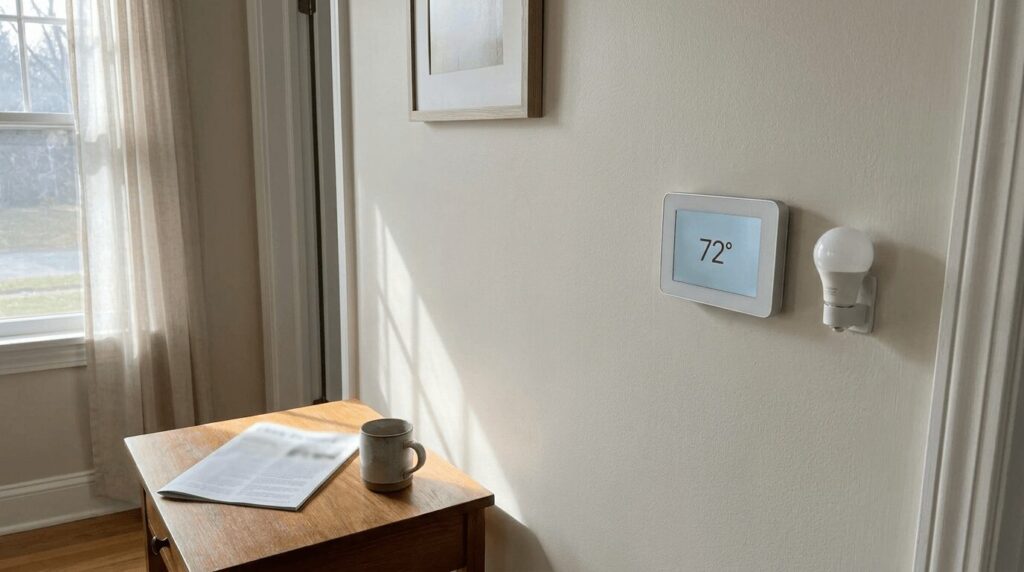
Energy-efficient appliances, better insulation, smart thermostats, LED lighting, heat pumps, and efficient windows can all reduce waste and improve home comfort. But the savings are not always immediate.
Some upgrades pay for themselves quickly. Others take years. A smart thermostat or LED bulbs may be easy wins. New windows, major insulation work, or HVAC replacements require more careful budgeting.
The hidden cost is the gap between purchase and payback. Before committing to a large project, estimate how long it will take to recover the cost through lower utility bills. Comfort, sustainability, and resale value may still make the project worthwhile, but the financial timeline should be realistic.
5. “Natural” Products Are Not Always Cheaper or Better
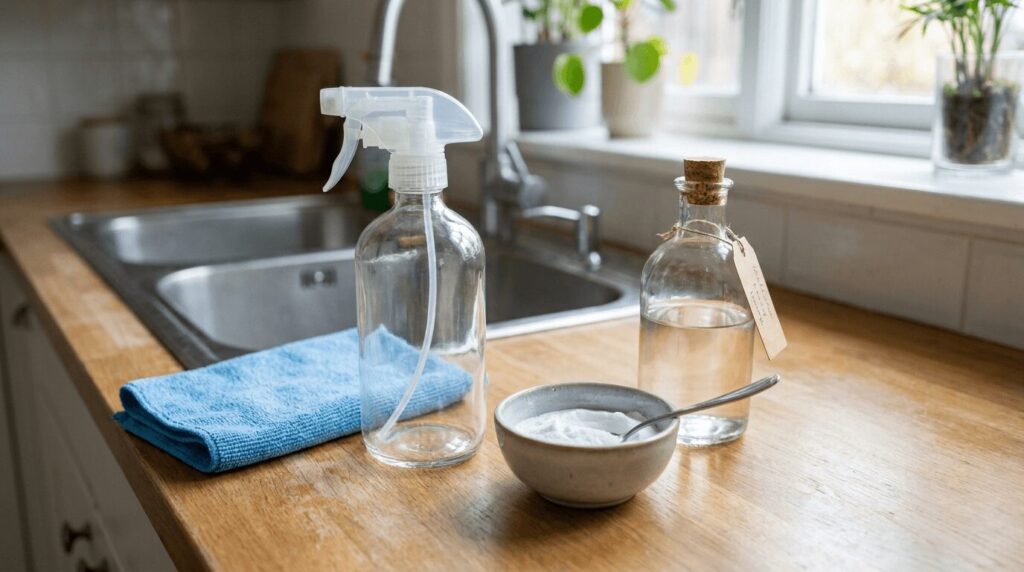
Many homeowners start with natural cleaning products, safer pest control, organic bedding, or healthier household supplies. These changes can reduce exposure to harsh chemicals, but the label alone does not guarantee value.
Some natural products work well and are worth the cost. Others are expensive without offering much improvement. In some cases, simple options like vinegar, baking soda, fragrance-free soap, or better ventilation may solve the problem for less.
The smart approach is to focus on performance, transparency, and repeat cost. A healthier product still needs to work well enough that you will actually keep using it.
6. Installation Can Be the Real Budget Breaker
Many home upgrades look affordable until labor enters the picture. Water systems, ventilation upgrades, electrical changes, plumbing improvements, flooring, insulation, and built-in fixtures can all require professional installation.
Labor costs vary widely depending on the home. Older houses may have tight access, outdated plumbing, limited electrical capacity, or hidden repairs that only become obvious once work begins.
Before buying equipment, it helps to ask a practical question: what has to change in the house for this upgrade to work correctly?
Sometimes the product is only half the cost. The rest is making the home ready for it.
7. Maintenance Should Be Part of the Buying Decision
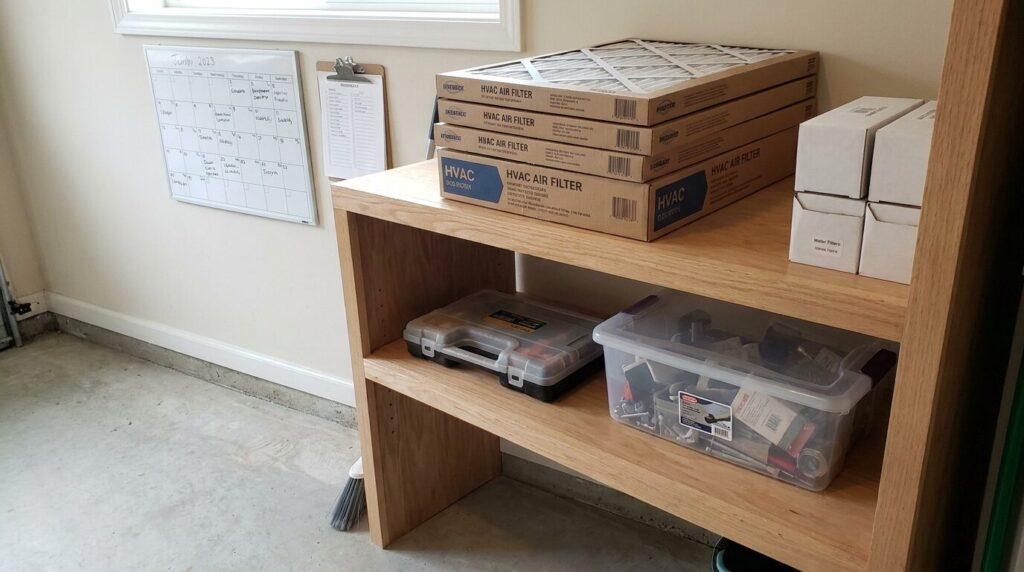
A healthier home is not just about what you install. It is about what you can realistically maintain.
A system that needs frequent attention may not be a good fit for someone who wants low-maintenance living. A cheaper product may not be cheaper if replacement parts are expensive or hard to find. A more advanced setup may not be worth it if it requires service you are unlikely to keep up with.
Before choosing any healthy-home upgrade, look at the full ownership cycle:
- How often does it need maintenance?
- What parts need replacing?
- Can you service it yourself?
- Will it require a professional?
- What happens if maintenance is skipped?
The best upgrade is one that fits your home and your habits, not just your goals.
In Closing
Creating a healthier home does not have to mean overspending. The key is understanding the full cost before making changes.
Water filtration, air quality improvements, safer materials, energy upgrades, and natural products can all make a home more comfortable and sustainable. But the real value comes from choosing upgrades that solve the right problem, fit the space, and remain affordable to maintain over time.
Instead of chasing every healthy-home trend, start with the areas that affect your daily life most. Then compare the upfront cost, installation needs, maintenance schedule, and long-term value before deciding what deserves a place in your home.
Leave a Reply