

Sustainable home design is not just about making a house look modern or adding a few eco-friendly products at the end of a project. It is about creating a space that uses energy more efficiently, wastes fewer resources, supports healthier indoor living, and holds up better over time. Whether you are building from scratch, renovating one room, or simply trying to make smarter choices in the home you already have, sustainable design gives you a framework for making decisions that are practical as well as environmentally responsible. The best sustainable homes are not only greener on paper. They are usually more comfortable, more durable, and easier to live in day to day.
Good home design is not only about how a space looks on day one. It is about how well it works, how long it lasts, and how thoughtfully it supports daily life over time.
At the core of sustainable home design is the idea that every part of a home should do more with less. That includes using less energy to heat and cool the house, using less water without sacrificing comfort, and relying on materials that are safer, longer-lasting, and less wasteful. A sustainable home also takes layout seriously. Natural light, ventilation, storage, room flow, and insulation all affect how efficiently a home functions. This is one reason truly sustainable design often looks simpler than trend-based design. The goal is not excess. It is performance, durability, and comfort working together.
Energy efficiency is usually the first place people start, and for good reason. A home that leaks heat in winter or traps unwanted heat in summer forces the entire system to work harder. Good insulation, well-sealed windows and doors, quality roofing, and thoughtful shading can dramatically affect energy use over time. In many homes, sustainable design begins with the building envelope rather than decorative finishes. If a home keeps conditioned air where it belongs, everything else works better. Heating and cooling costs drop, rooms feel more stable throughout the day, and appliances do not have to compensate for structural inefficiency.
Lighting design matters too. A home that makes better use of natural daylight often needs less artificial lighting during the day and feels more livable overall. Window placement, reflective surfaces, lighter wall colors, and open sight lines can all help bring daylight deeper into a room. At the same time, efficient artificial lighting still matters for evening use. LED fixtures, layered lighting plans, and task lighting can all reduce wasted electricity while improving how a space actually functions. Sustainable design is rarely about one dramatic feature. It is more often the result of many sensible decisions working together.
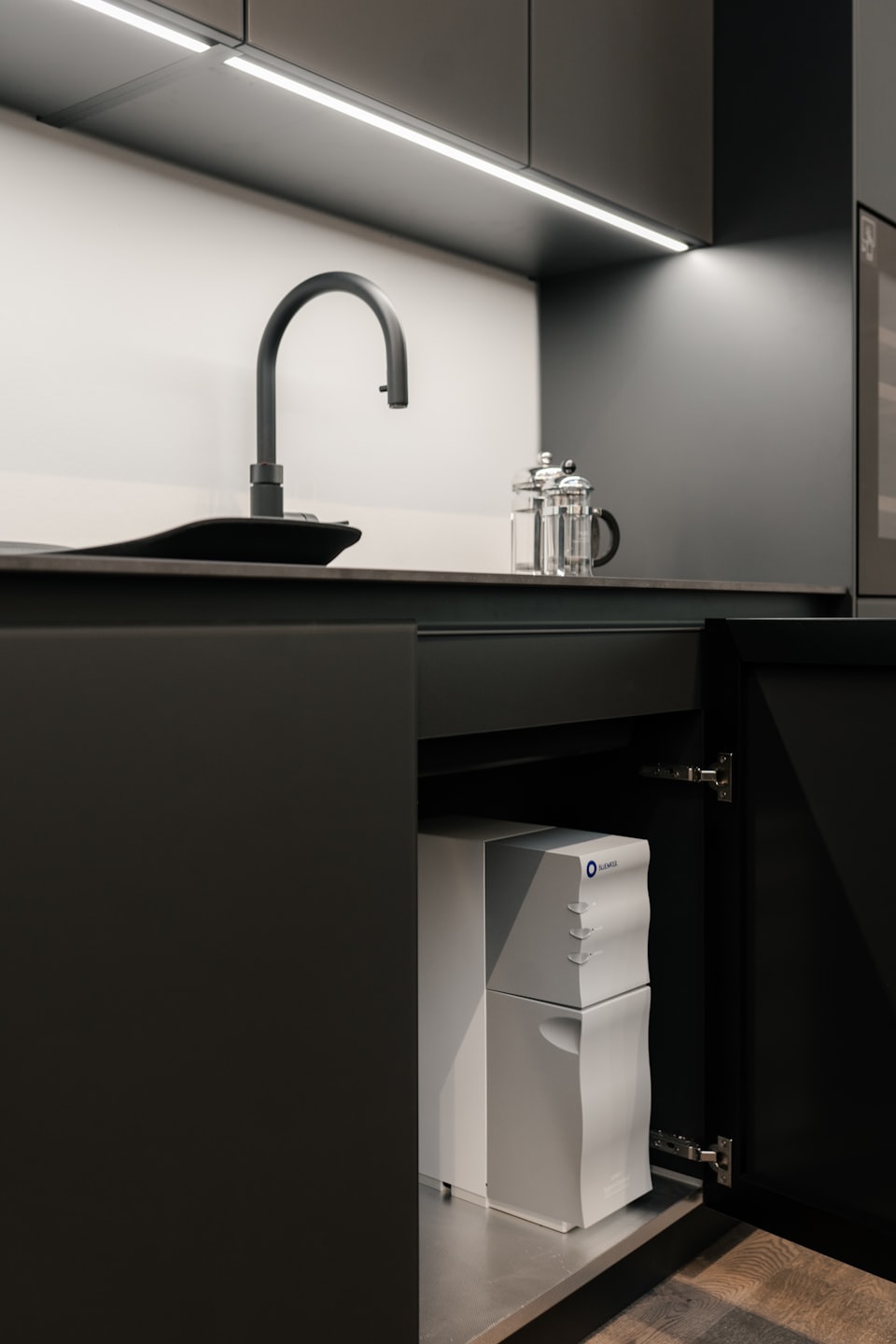

Materials are another huge part of the equation. Sustainable home design is not only about reducing utility use. It is also about thinking more carefully about what enters the home in the first place. Low-VOC paints, durable flooring, reclaimed wood, natural fibers, responsibly sourced cabinetry, and longer-lasting finishes can all reduce the environmental burden of future replacements. Health matters here too. Materials that off-gas heavily or wear out quickly may create both indoor air concerns and more waste over time. A well-designed sustainable home tends to favor fewer, better materials over fast, disposable upgrades that look good for a year and then start to fail.
Water efficiency is often overlooked, but it belongs in any serious guide to sustainable home design. Low-flow fixtures, efficient toilets, leak prevention, smart landscaping, and simple water-conscious habits can all reduce waste without making a home feel restrictive. In regions with drought pressure or high water costs, these choices become even more important. Outdoor design can support this too. Native plants, better drainage, rain collection systems, and lower-maintenance landscaping all help reduce the amount of water and upkeep a home demands. A sustainable home is not only efficient inside the walls. It also considers what happens outside them.
Another overlooked principle is longevity. A sustainable design choice is not always the one with the flashiest label. Sometimes it is the one that prevents a replacement cycle. Durable countertops, timeless cabinetry, washable paint, well-built furniture, and practical storage can all reduce the churn that comes from redoing rooms too often. This is especially relevant in kitchens, bathrooms, and utility spaces where wear adds up fast. Trend-heavy design can be tempting, but a more durable and adaptable approach usually creates less waste over time. That makes sustainability not just an environmental principle, but a financial one too.
Room layout and function deserve just as much attention as materials and systems. A sustainable home should support how people actually live. That means prioritizing useful storage, avoiding wasted square footage, designing around daily movement, and creating spaces that can adapt as needs change. A room that works well for years is more sustainable than one that looks impressive but constantly needs to be reconfigured. This is one reason multi-functional spaces, built-ins, mudrooms, flexible home offices, and durable entry areas tend to make sense in sustainable design conversations. They reduce friction in daily life while helping the home age more gracefully.
Healthy indoor living is another major benefit of this approach. Better ventilation, reduced chemical exposure, more daylight, thoughtful moisture control, and stronger material choices can all contribute to a home that feels cleaner and more comfortable. A sustainable home should not just consume less. It should support the people living in it. That includes indoor air quality, noise control, temperature stability, and the overall feeling of the space. When sustainable design is done well, it usually feels less like a sacrifice and more like a better standard of living.
Of course, not every household can redesign an entire home at once. The good news is that sustainable home design can still be applied in stages. One project might focus on sealing drafts and improving insulation. Another might update lighting and repaint with lower-VOC products. Another might replace poor-quality furniture with secondhand solid wood pieces that last longer. The broader principle stays the same: make design choices that reduce waste, improve function, and hold up over time. A sustainable home does not have to be built overnight. It can be shaped slowly through better decisions.
That is also why style matters less here than many people assume. Sustainable design can look modern, traditional, minimal, rustic, or somewhere in between. What matters more is whether the home performs well and whether the choices behind it make sense over time. Good insulation is sustainable whether the house is contemporary or classic. Durable flooring is sustainable whether the room is neutral or colorful. Better layout, healthier finishes, and lower energy use are not tied to one aesthetic. They are tied to smarter design thinking.
Wrapping Up with Key Insights
The ultimate goal of sustainable home design is not perfection. It is creating a home that works better with fewer wasted resources. That means thinking beyond surface-level style and paying attention to energy use, materials, water, durability, layout, and indoor comfort. The strongest sustainable homes are usually the ones that feel intentional from top to bottom. They are easier to maintain, more efficient to run, and better equipped to support everyday life without constant upgrades or waste. Start with the areas that matter most in your home, build from there, and let better performance guide the design choices that follow.
Leave a Reply